Reviewing Christmas Flower and Leaves Watercolor for Embroidery
As a designer who has spent countless hours digitizing patterns and testing machine embroidery design files on various fabrics, I approach every new asset with a critical eye. It is not just about whether the image looks pretty on a screen; it is about how those lines translate into thread, how the tension holds up on stretchy cotton, and whether the final finished product feels premium enough to sell. Recently, I evaluated the Christmas Flower and Leaves Watercolor design to see if it holds up in real-world applications for my craft business and client projects.
First Impressions: Mood and Visual Personality
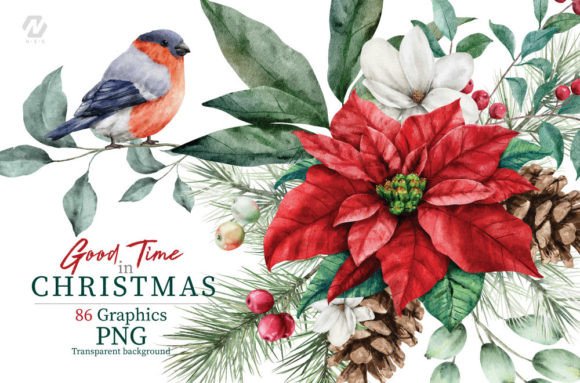
The first thing that strikes you about Christmas Flower and Leaves Watercolor is its softness. Unlike traditional holiday motifs that rely on sharp, geometric lines or heavy block colors, this piece leans into the organic, fluid nature of watercolor art. For an embroidery project, this presents both a challenge and an opportunity. The mood is nostalgic and gentle, evoking the feeling of a quiet winter morning rather than the chaotic energy of a holiday sale.
From a layout perspective, the composition is balanced. The interplay between the floral elements and the leaves creates a natural flow that guides the eye. This is crucial when you are working with limited space, such as on a cap or a small pocket. The design does not feel cluttered, which suggests that the digitizer likely paid attention to negative space. For those of us creating Illustrations for seasonal collections, this aesthetic fits perfectly into the current trend of minimalist, botanical holiday decor.
Real-World Application: The Tote Bag Test
To truly understand the value of this embroidery file, I decided to test it on a canvas tote bag. Tote bags are a staple for any Etsy seller or small shop owner during the holiday season. They are practical, popular gifts, and provide a stable surface for stitching. I chose a natural, unbleached cotton canvas to let the thread colors pop.
The result was impressive. The watercolor style translated well because the design likely utilizes a mix of fill stitch areas for the broader petals and running stitch or light satin work for the finer leaf details. On the textured fabric, the threads sat nicely without sinking in, provided I used a cut-away stabilizer to support the weight of the stitching. The design did not pull the fabric excessively, which is a common issue with dense holiday patterns.
This specific application highlighted why Christmas Flower and Leaves Watercolor is a strong contender for handmade product lines. It elevates a simple tote from a generic item to a boutique-quality accessory. Customers looking for a personalized gift often seek items that feel artistic rather than mass-produced, and this design delivers that artisanal vibe.
Versatility Across Products
Beyond tote bags, I considered where else this design could shine. The softness of the watercolor theme makes it exceptionally suitable for baby embroidery. Imagine this stitched onto a muslin swaddle blanket or a neutral-toned onesie. The lack of aggressive, sharp edges makes it visually soothing for nursery decor. However, one must be cautious with stitch density on such delicate fabrics. If the digital file is too dense, it could stiffen the material, defeating the purpose of a soft baby item.
For custom apparel, such as sweatshirts or fleece jackets, the design offers a sophisticated alternative to typical red-and-green clichés. It works beautifully as a chest pocket accent or a larger back piece. I also see potential for embroidered patch creation. If you digitize this as an applique or use a tear-away backing, it can be ironed onto denim jackets or hats, adding versatility to your design assets.
However, context matters. While it excels in home decor and casual wear, it might not be the best fit for formal corporate holiday gifts where a sharper, more traditional logo-style embroidery is expected. Knowing your audience is key. For a craft business focused on bohemian or rustic aesthetics, this design is a goldmine. For high-end luxury branding, it might need refinement in thread selection to ensure it looks expensive rather than crafty.
Technical Considerations and Pitfalls
No design is perfect for every scenario, and Christmas Flower and Leaves Watercolor requires careful handling in certain situations. Here are the areas where I would exercise caution:
- Fabric Texture: On highly textured fabrics like terry cloth or thick wool, the finer details of the watercolor effect might get lost. The thread colors need to contrast sufficiently with the background to maintain clarity.
- Dark Fabrics: Watercolor designs often rely on subtle gradients. On black or navy fabric, these nuances can disappear unless you use underlay stitches effectively or choose lighter, brighter thread shades. Always test on scrap fabric first.
- Curved Surfaces: Stitching this on a cap or a curved sleeve requires precise hooping. The organic shapes can distort if the fabric shifts even slightly. Using a strong stabilizer is non-negotiable here.
- Washability: If this is for a kitchen towel or an apron that will see frequent washing, ensure the stitch count is not so high that it compromises the integrity of the weave over time. A balance between beauty and durability is essential for functional items.
Enhancing Brand Value and Customer Trust
Using a high-quality design like Christmas Flower and Leaves Watercolor directly impacts your brand perception. When customers receive a holiday embroidery item that looks professional and thoughtful, it builds trust. It shows that you care about the details, from the choice of motif to the execution of the stitch.
For digital product sellers, offering this as part of a bundle can increase the perceived value of your shop. It allows hobbyists to create their own printable mockup presentations that look cohesive and stylish. For commercial embroidery clients, presenting this design as a premium option can justify higher price points. It is not just a flower; it is a statement of taste.
Practical Designer Notes
Before you commit to production, keep these practical tips in mind:
- Check the License: Always confirm whether the digital embroidery file allows for commercial use. Some designers restrict the number of physical items you can sell.
- Test Thread Contrast: Watercolor effects rely on blending. Use variegated threads if possible, or carefully plan color stops to mimic the gradient look without making the stitching process overly complex.
- Review Hoop Size: Ensure the design fits your standard hoops. If it is too large, you may need to split it, which can ruin the continuous flow of the watercolor style.
- Mockup Testing: Create black and white mockups to check for contrast issues. If the design looks muddy in grayscale, it will likely look unclear when stitched.
In conclusion, Christmas Flower and Leaves Watercolor is a versatile and aesthetically pleasing addition to any designer’s library. It bridges the gap between traditional holiday cheer and modern, artistic sensibility. By understanding its strengths and limitations, you can leverage this design to create standout products that resonate with customers and enhance your brand’s reputation for quality and creativity.