Magic Forest Collection: Illustrations for Branding
As a brand designer and content marketer, I am constantly sifting through the noise of the creative marketplace to find assets that do more than just fill space. We need tools that tell a story, evoke emotion, and maintain visual consistency across multiple touchpoints. Recently, I had the opportunity to integrate the Magic Forest Collection into a rebranding project for a small business specializing in organic, handcrafted skincare. The goal was to shift their visual identity from generic minimalism to something more enchanting and rooted in nature. Here is my professional review of how this graphic design asset performs in real-world marketing scenarios.
First Impressions: Mood and Audience Perception
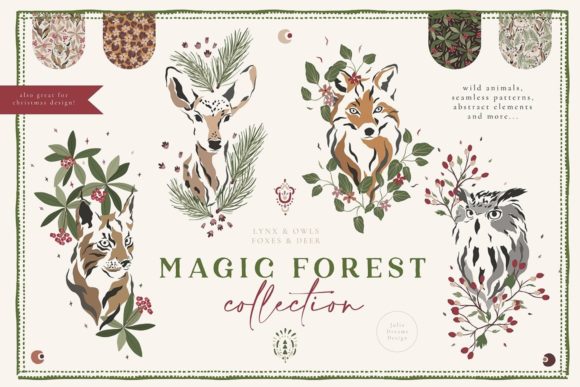
The moment I opened the files, the Magic Forest Collection struck me with its delicate balance of whimsy and sophistication. It does not scream for attention; instead, it invites the viewer in. For brand owners, this is crucial. You want your audience to feel a sense of calm and wonder, not visual clutter. The mood created is distinctly ethereal, making it highly suitable for lifestyle content, handmade products, and premium visuals that rely on an emotional connection rather than hard-selling tactics.
In terms of audience perception, these illustrations signal quality and care. They suggest that the brand behind them values aesthetics and detail. This is particularly effective for building audience trust among consumers who prioritize sustainability and artisanal quality. However, it is important to note that this aesthetic leans towards the casual yet refined side. It may not be the best fit for ultra-corporate or industrial branding, but for creative entrepreneurs and coaches looking to soften their image, it is a powerful tool.
Integrating into Real Marketing Workflows
During the skincare launch, we used the Magic Forest Collection across several key channels. The versatility of the design bundle allowed us to maintain a cohesive look without repetitive boredom. Here is how it performed in specific applications:
- Social Media Graphics: We utilized the elements for Instagram posts and Pinterest pins. The intricate details stood out well in feed previews, stopping the scroll without overwhelming the caption. The PNG design files layered beautifully over soft, pastel backgrounds, creating depth.
- Packaging Design: For the product labels, we scaled down specific floral and fauna motifs. The clarity of the SVG design ensured that even at small sizes, the lines remained crisp. This added a touch of luxury to the unboxing experience, turning a simple jar into a keepsake.
- Email Banners: We incorporated the larger landscape elements into our welcome sequence headers. This helped set the tone immediately, reinforcing the brand’s narrative of natural beauty and tranquility.
- Printable Promotions: For a limited-time offer, we created flyers and thank-you cards. The printable design quality was exceptional, holding up well on textured paper stocks which enhanced the tactile feel of the brand.
Supporting Marketing Goals and Visual Hierarchy
A common mistake in content marketing is using decorative elements that compete with the main message. The Magic Forest Collection excels because it supports visual hierarchy rather than disrupting it. By using these elements as borders or corner accents, we guided the eye toward the call-to-action without distraction. This led to stronger first impressions and clearer communication of our value proposition.
Furthermore, consistent use of these design assets improved brand recognition. When followers saw the distinctive forest motifs on a Facebook ad or a blog graphic, they instantly associated it with our client. This consistency is vital for small business branding, where every impression counts. The emotional connection fostered by the enchanting imagery resulted in higher engagement rates compared to previous campaigns that used stock photography.
Where to Use It and Where to Exercise Caution
While the collection is versatile, it is not a one-size-fits-all solution. Based on my testing, here is where it shines and where you should be careful:
Best Use Cases
- Hero Graphics and Campaign Headers: The detailed scenes work perfectly as background elements for website headers or landing pages, provided there is enough negative space for text.
- Branded Templates: Ideal for creating Canva templates for clients who want a cohesive, magical aesthetic for their digital products.
- Editorial Design: Great for breaking up text in blogs or magazines, adding visual interest to long-form content.
- Merchandise and Stickers: The individual clipart elements translate wonderfully to physical goods, appealing to fans of the brand.
Areas for Caution
- Dense Information Layouts: Avoid using these intricate illustrations in charts or data-heavy infographics. The complexity can clash with structured information.
- Low-Contrast Backgrounds: Some of the finer lines may get lost on busy or dark backgrounds. Always test contrast ratios to ensure visibility.
- Formal Corporate Branding: If your brand voice is strictly professional, authoritative, or minimalist, this whimsical style might dilute your message.
- Small Mobile Graphics: While scalable, extremely detailed parts of the illustration may become muddy on very small mobile screens if not simplified or cropped appropriately.
Practical Brand Designer Notes
Before you purchase or download any digital product for commercial use, you must vet it thoroughly. Here are my technical notes for working with the Magic Forest Collection:
Test with Your Color Palette: Do not assume the default colors will match your brand. I recommend recoloring the clipart to align with your primary and secondary brand colors. This ensures seamless integration into your existing brand identity.
Font Pairing: These illustrations pair exceptionally well with elegant serif fonts for a classic look, or clean sans serif fonts for a modern twist. Avoid overly decorative script fonts that might compete with the intricate details of the forest elements. A balanced combination enhances readability and aesthetic appeal.
Licensing Check: Always confirm the commercial license terms. If you are using this for client work, paid ads, or selling digital products, ensure you have the appropriate rights. Most reputable marketplaces provide clear guidelines, but it is your responsibility to comply.
Mockup Testing: Place the assets inside real campaign mockups before finalizing. Preview them on mobile screens to check readability and impact. Compare them against competitor visuals to ensure your brand stands out without looking disjointed.
Final Verdict for Creative Entrepreneurs
The Magic Forest Collection is a robust addition to any designer’s toolkit, particularly for those focusing on nature-inspired, wellness, or creative niches. It offers a unique blend of charm and professionalism that can elevate marketing visuals from ordinary to memorable. By understanding its strengths and limitations, you can leverage this graphic design asset to create cohesive, engaging, and trustworthy brand experiences. Whether you are designing a product label, crafting social media graphics, or building a complete web design, this collection provides the artistic foundation needed to captivate your audience.