Camping Clipart Family Camping Clipart: Illustrations Review
When a client approaches me with a brief for an outdoor-themed brand or a seasonal family event, the immediate challenge is balancing warmth with professionalism. We are not just looking for generic trees and tents; we need assets that convey connection, adventure, and nostalgia. This is where Camping Clipart Family Camping Clipart enters the conversation. As a designer who regularly curates libraries for small business branding and print-on-demand projects, I approach this collection with a critical eye. Does it hold up under the scrutiny of commercial design? Can it elevate a simple layout into a compelling visual story? After integrating these elements into several mockups, I have formed a clear perspective on their utility, aesthetic value, and technical performance.
First Impressions: Mood, Style, and Visual Narrative
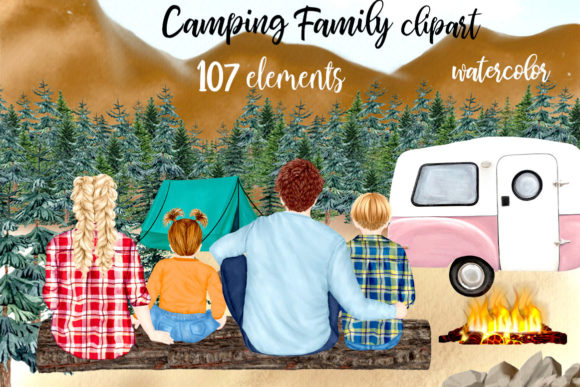
The first thing that strikes you about Camping Clipart Family Camping Clipart is its ability to evoke an immediate emotional response. The style leans heavily into a hand-drawn, illustrative aesthetic that feels organic rather than sterile. In an era where digital perfection can sometimes feel cold, these illustrations bring a necessary human touch. The lines are clean but possess a slight irregularity that suggests authenticity, making them ideal for handmade businesses and boutique brands that want to appear approachable and grounded.
The color palette, typically earthy and muted, supports a narrative of relaxation and exploration. Whether you are designing for a glamping resort, a summer camp brochure, or a family reunion invitation, the mood is consistently inviting. It avoids the overly cartoonish look that might alienate adult audiences while remaining playful enough to engage children. This versatility is rare in standard clipart collections and makes it a strong contender for diverse graphic design asset libraries.
Real-World Application in Client Projects
The true test of any digital product is its performance in actual design scenarios. I tested these assets across multiple mediums, from packaging design for artisanal goods to social media graphics for lifestyle bloggers. Here is how they performed:
- Brand Identity and Logo Design: For a local outdoor gear rental shop, I used a simplified version of the family camping scene as a secondary logo mark. It worked beautifully on business cards and website headers, providing a friendly face to the brand without compromising legibility.
- Print-on-Demand and Merchandise: The clarity of the lines translates exceptionally well to t-shirt design and tote bags. When applied to fabric via sublimation or screen printing, the details remained sharp. I also found success using these elements for sticker design, where the distinct outlines help the image pop against various background colors.
- Packaging and Labels: For a client selling homemade marshmallows and trail mix, these illustrations became the hero graphic on kraft paper labels. The rustic vibe of the clipart complemented the natural packaging material, creating a cohesive small business branding package that felt premium yet artisanal.
- Digital Marketing and Web Design: In Canva template creations for travel bloggers, these assets served as excellent decorative accents. They break up text-heavy blog posts and add visual interest to Pinterest pins, increasing engagement through relatable imagery.
Strategic Placement and Visual Hierarchy
Understanding where to place these illustrations is crucial for maintaining visual hierarchy. Camping Clipart Family Camping Clipart works best when given space to breathe. I recommend using them as focal points in large layout areas, such as the center of a poster or the front of a greeting card. They also function effectively as supporting brand elements in footer designs or sidebar graphics on websites.
However, caution is required in crowded layouts. Because the illustrations contain multiple elements—figures, tents, trees, fire pits—they can become visually noisy if scaled down too small or placed against complex backgrounds. For editorial design or dense informational flyers, I suggest isolating specific components, such as just the tent or the campfire, to maintain clarity. This modular approach allows designers to customize the design bundle to fit tighter spaces without losing the thematic essence.
Technical Considerations for Professional Use
Before delivering any final files to a client, rigorous technical checks are non-negotiable. Here are my practical designer notes for working with this asset:
- Contrast and Backgrounds: Always test the illustrations on both light and dark backgrounds. While they look stunning on white or cream, ensure there is sufficient contrast when placed on darker, nature-inspired tones. If the file format includes PNGs with transparency, verify that the edges are clean and free of halo artifacts.
- Scalability and Formats: If you are working with an SVG design, take advantage of its vector nature. You can scale it to any size without loss of quality, which is essential for large-format prints like banners or vehicle wraps. For raster-based PNG design files, check the resolution to ensure it meets the 300 DPI standard for high-quality printing.
- Typography Pairing: The hand-drawn style of the clipart pairs exceptionally well with serif fonts that have a classic, literary feel, or handwritten fonts that mimic journal entries. Avoid overly geometric sans-serif fonts unless you are aiming for a stark, modern contrast. A rough-edged display font can also enhance the outdoor adventure vibe.
- Licensing Verification: Always confirm the commercial license terms before using these assets in client work. Ensure that the license covers print-on-demand sales, digital product redistribution, and unlimited commercial use if your project scope requires it. This step protects both you and your client from legal issues down the line.
Final Verdict: Is It Worth the Investment?
In the competitive landscape of the creative marketplace, finding assets that feel unique yet versatile is a challenge. Camping Clipart Family Camping Clipart succeeds because it bridges the gap between whimsical illustration and professional utility. It is not just a collection of images; it is a toolkit for storytelling. For designers working with Etsy product creators, sublimation design specialists, or agencies handling seasonal campaigns, this collection offers a robust foundation for modern design projects.
While it may not be suitable for ultra-minimalist corporate identities or high-tech industrial branding, it excels in any context where warmth, family, and nature are central themes. By carefully managing scale, contrast, and typography, you can transform these simple illustrations into powerful components of a comprehensive brand identity. Ultimately, this asset earns its place in my professional library, ready to be deployed for the next client who wants to bring the outdoors in.